
As the implementation of Fast Jet Transformation (FJT) Phase 1 comes to an end, we asked our Programme Manager Rich Saunders to reflect on what’s been achieved by the UK Military Flying Training System (UKMFTS) over the last 18 months.
Perhaps the most striking feature of the FJT Phase 1 campaign was the productivity gain that was achieved by affording the joint delivery team a high degree of autonomy and flexibility in how it operated.
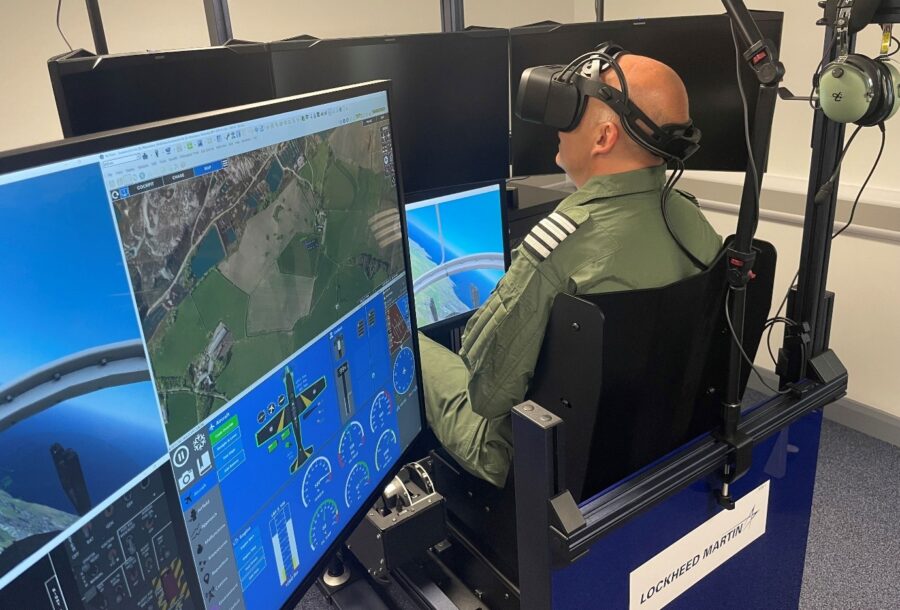
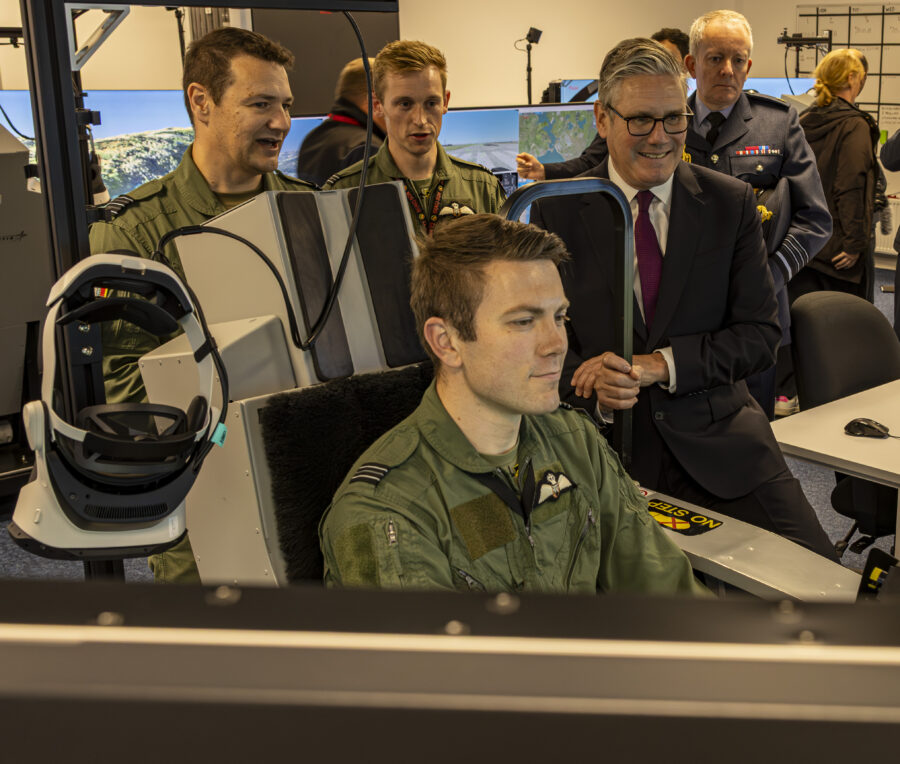
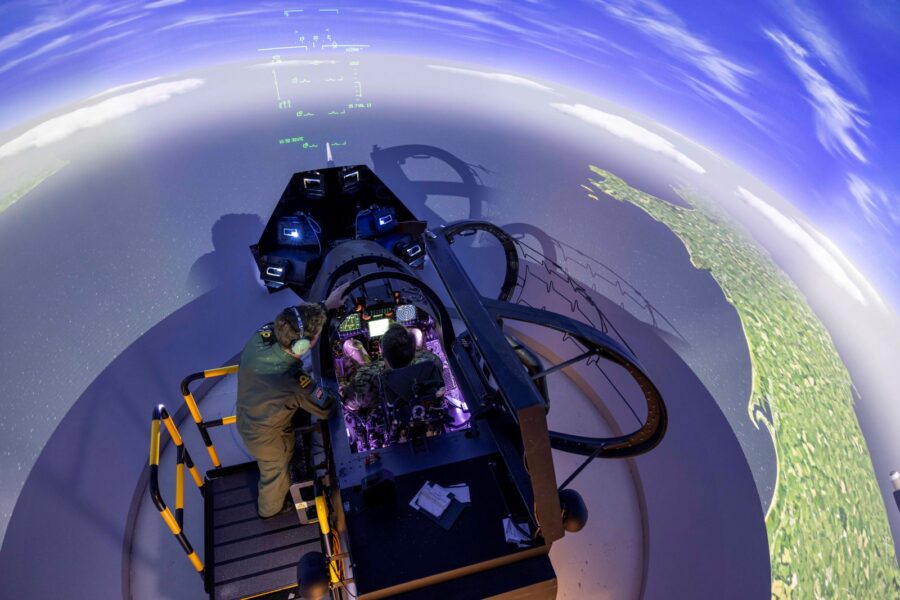
Since contract award in May 2024, we have made major upgrades to 11 simulator devices at RAF Valley, covering both Hawk and Texan portfolios. Output delivered at that pace was enabled because UKMFTS sought to remove bureaucratic barriers to progress, and by encouraging the adoption of agile methods and mindset.
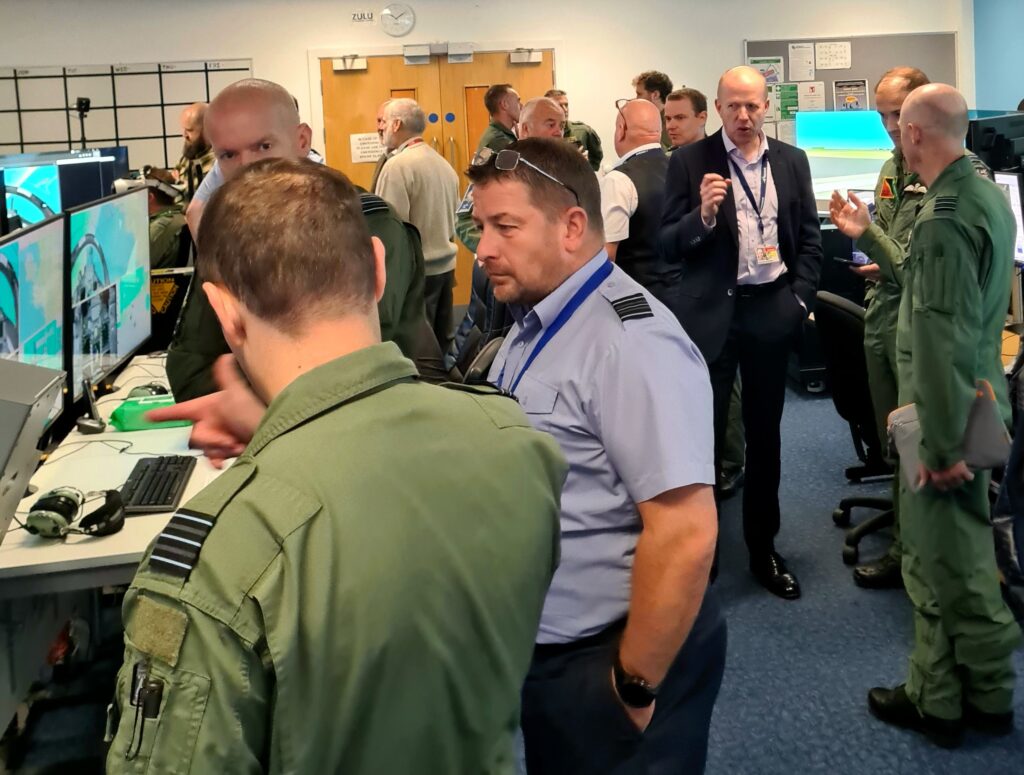
Although such an approach was not risk free, we were able to mitigate risk through research and development pre-contract and the application of a robust Agile Sprint process.
The latter was important. It allowed clearly defined goals to be set and regularly updated while encouraging the flexibility to adjust scope as we went. It put a laser focus on priorities and trade-offs, which had the beneficial side effect of honing decision-making skills within the team.
It also required complete transparency, rapid issue resolution and honest feedback throughout. This can be uncomfortable for some in a complex multi-party environment like UKMFTS. The key is to establish and build trust between the stakeholders. The difficult times – and there will always be difficult times – are then much easier to navigate.
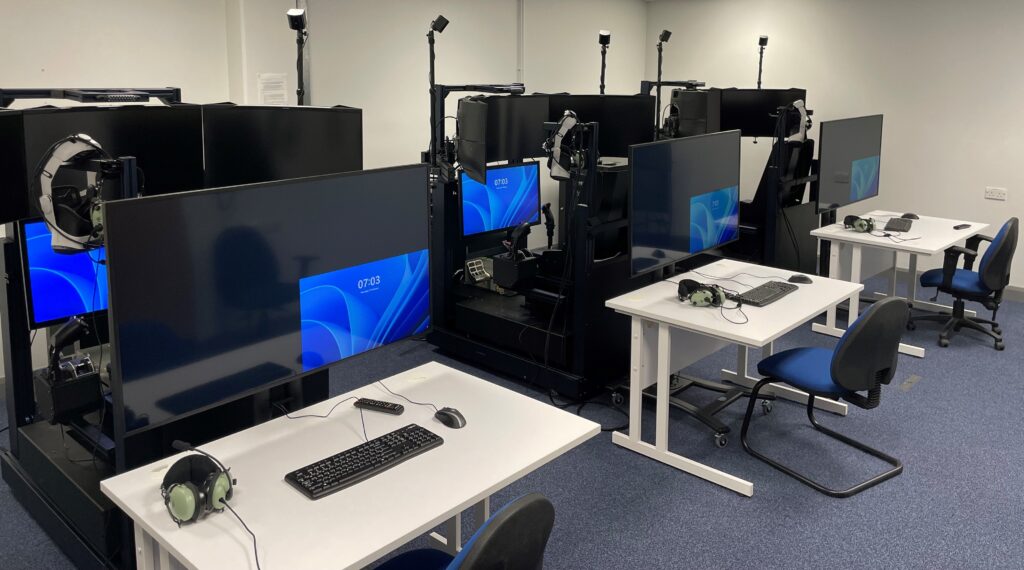
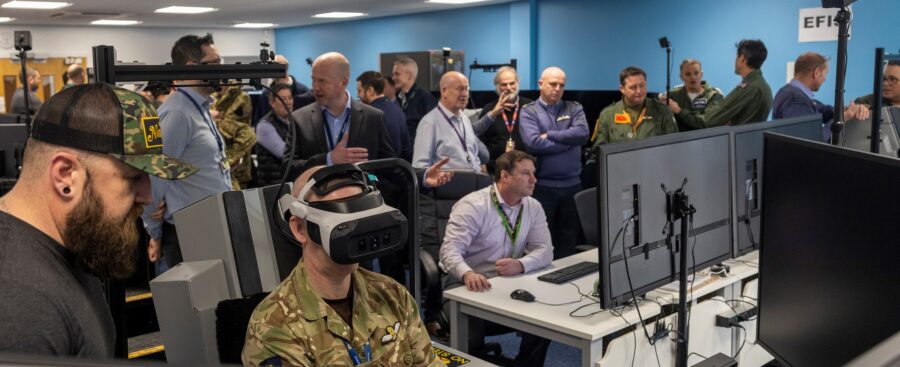
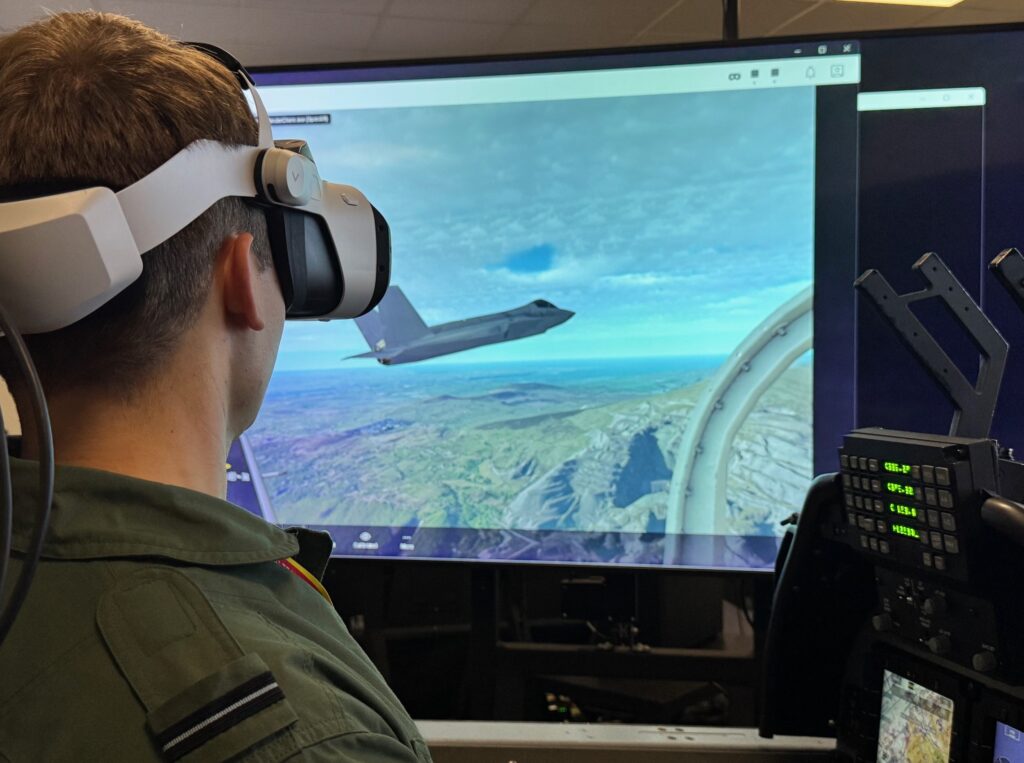
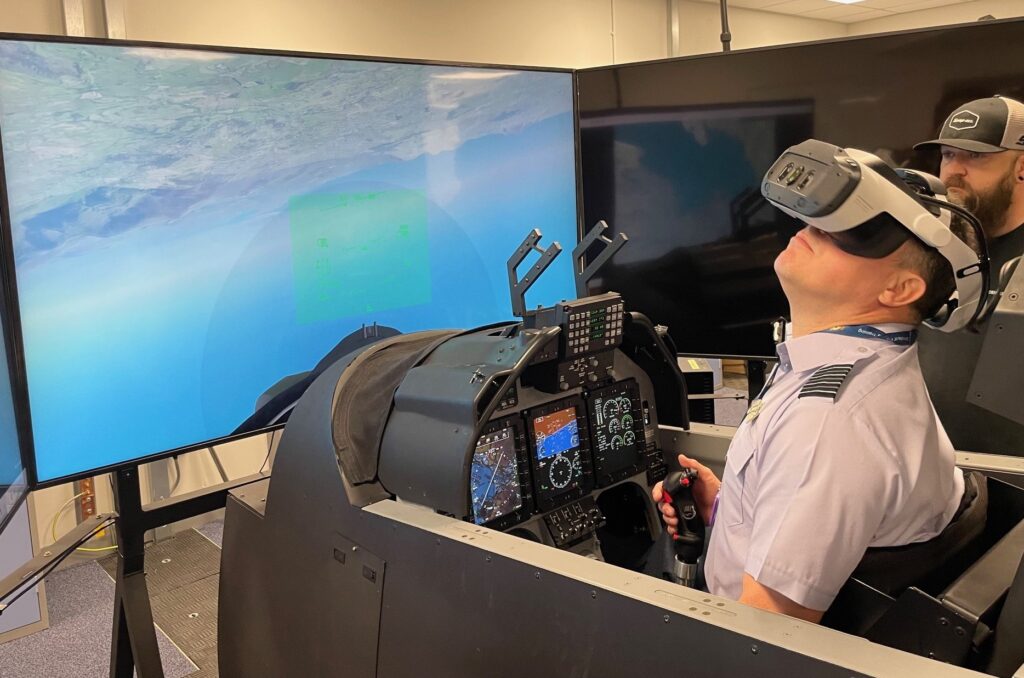
Phase 1 has deployed exciting new technology into our synthetic training portfolios. The rapid advance in extended reality headset capability was apparent as the programme unfolded and bodes well for the future. Independent assessments of the new equipment by the Hawk and Texan test pilots supported this view and spotlighted particular capabilities as being class leading – the mixed reality environment in our Texan Flight Training Devices for example.
Consequently, we will carry our implementation mindset forward into the sustainment phase. We will not stand still. We will maintain a competitive advantage for the RAF Valley team.
I’ll end by going back to our people, across UKMFTS. The technology is exciting of course, but ultimately programmes like this are about the people involved and their willingness to adopt the characteristics of the innovator, to embrace new opportunities and be a pioneer for change. This will be increasingly important in the years ahead.
I hope that Phase 1 will be seen as a pathfinder in that respect – future projects may benefit from a similar blueprint.