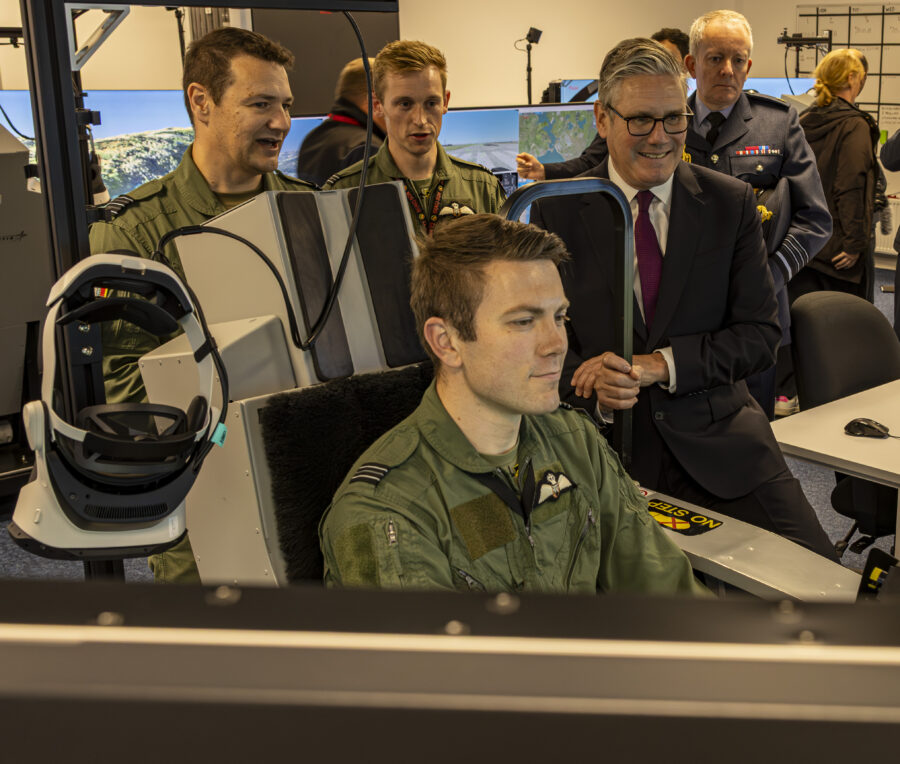

At a recent visit to RAF Valley, the Prime Minister responded to questions about fast jet training by agreeing that the Hawk T2 aircraft, currently used within the UK’s Military Flying Training System (UKMFTS), will be replaced.
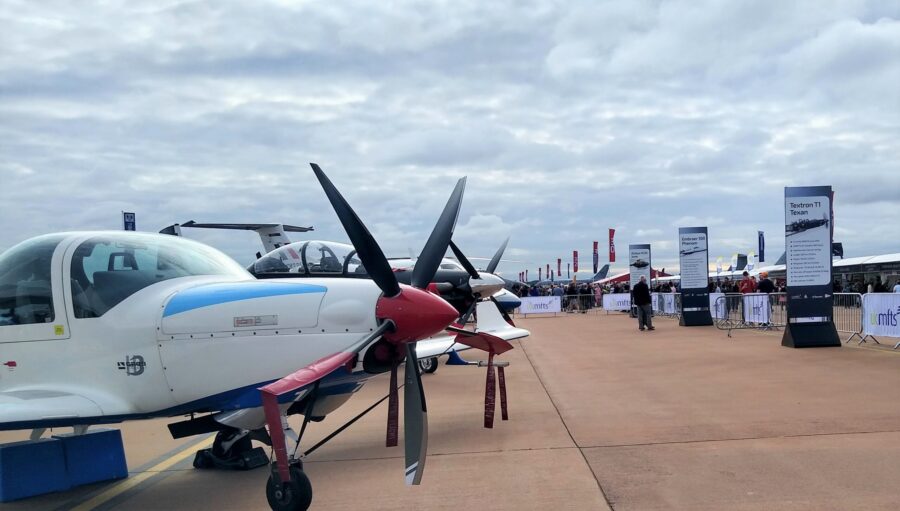
This was not a surprise, as the Hawk’s fate was articulated in the Strategic Defence Review (SDR) in June. Given the PM’s endorsement of the decision, further engagement between Ascent, aircraft original equipment manufacturers, and key suppliers within the supply chain, occurred at July’s Royal International Air Tattoo (RIAT), building on 12-months of market engagement activity.
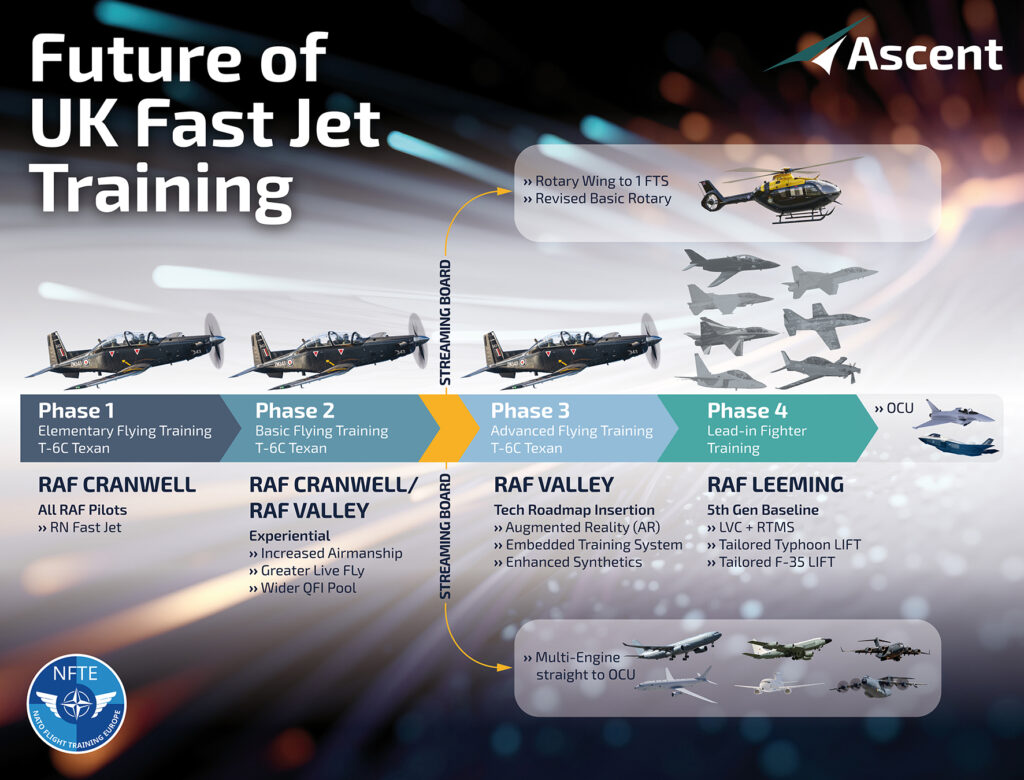
Ascent, as the prime contractor of UKMFTS and MOD’s Training Service Partner, sees the strategic importance of replacing the Hawk T2 and accelerating its out of service date (OSD) to 2033, in line with the intent of the SDR.
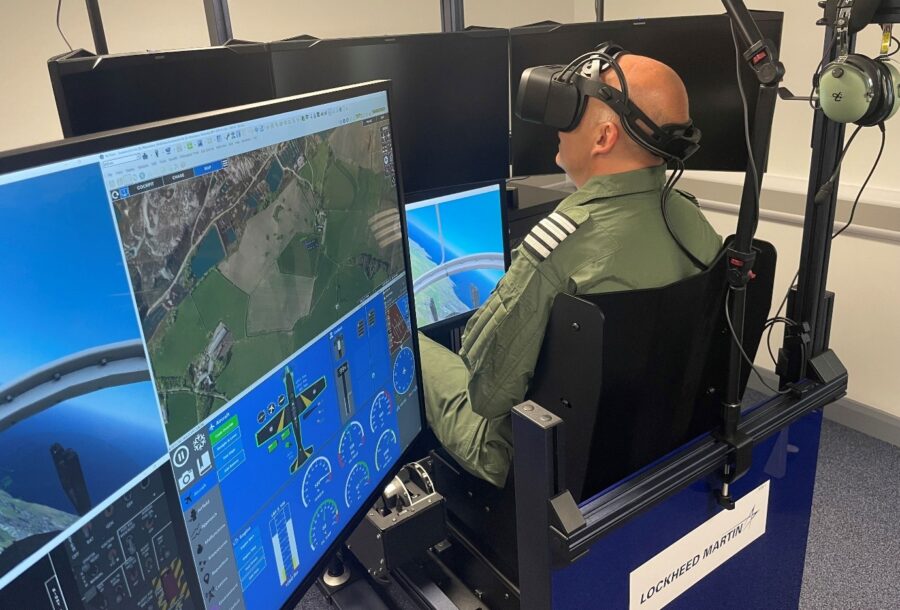
With full transition by early next decade, the RAF will be positioned to deliver world-leading Phase 4 Lead-In Fighter Training (LIFT) baselined for 5th Gen needs with a relevant and representative air vehicle, associated systems (GBTE, LVC, RTMS, AR), and a 21st Century training campus.
Ascent would seek to deliver the acquisition of a new Phase 4 LIFT system via competition within the extant programme, recognising the need to make the fast jet pipeline more cohesive upstream, in the process. At RIAT we presented one such ‘vision’ of what Ascent believes a future optimised training system may look like by 2033, as a foundation for further development.
Discussions are underway with potential processes and methodologies being explored. Change will not happen overnight, however, in line with public-private partnerships elsewhere across government, evolution occurs. We’re now at that temporal inflection point.