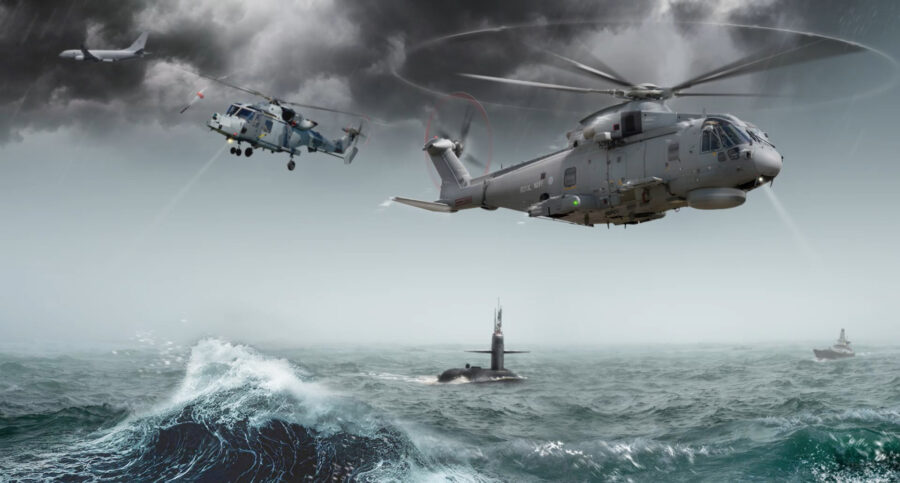
As we move towards the start of our new mission aircrew training system at RNAS Culdrose and RAF Cranwell, we are delighted to have reached a new milestone, with the Course Implementation Compliance Demonstrations (CICD) for both the 416 RAF Weapon Systems Officer Mission Systems Course and the 417 Royal Navy Observer Mission Systems Course successfully completed.
The successful outcomes represent a major milestone in the modernisation of UK Military Mission Aircrew ISR training and demonstrates the strong collaboration between industry and defence partners.
Both courses are scheduled to commence formal delivery in November 2026, utilising the newly introduced Ground Mission Trainer, alongside four modified Avengers.
Together, these capabilities provide an advanced and highly integrated training environment, enabling aviators to develop and refine mission systems competencies on a high-fidelity platform before progressing to Operational Conversion Units.
The enhanced training approach, is designed to deliver trainees to the final phase of their training pipeline, with an improved baseline of mission systems knowledge and operational proficiency, ultimately increasing readiness and effectiveness as they transition to frontline aircraft.
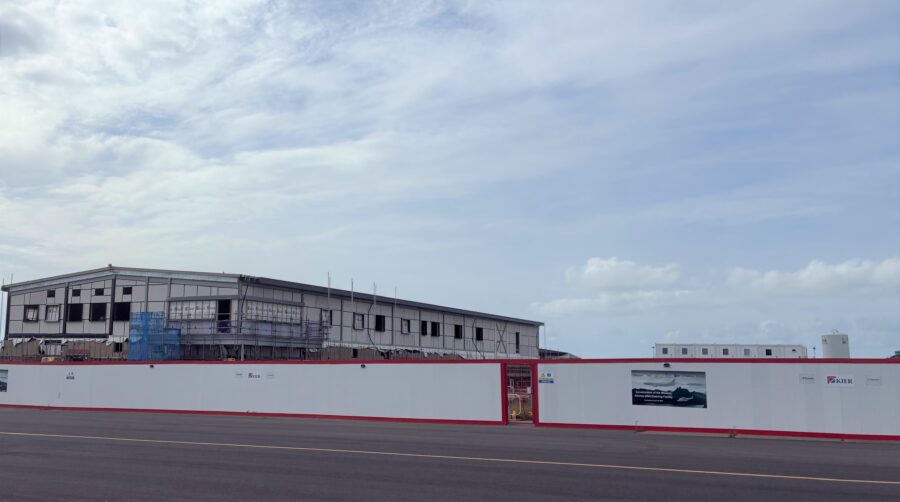
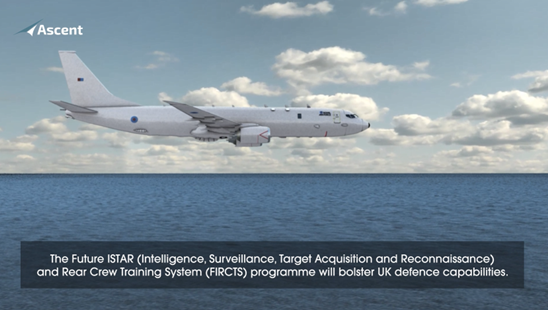
Initial course delivery will be conducted by 750 Naval Air Squadron at RNAS Culdrose. This capability will subsequently transition to the purpose-built St Merryn Mission Aircrew (ISR) Training Facility, delivered as part of the Future ISTAR Rear Crew Training System (FIRCTS).
The move to the new facility will significantly enhance training capacity, supporting increased throughput of both Royal Navy and RAF trainees, while providing a modern, integrated training environment designed to meet future operational demands.
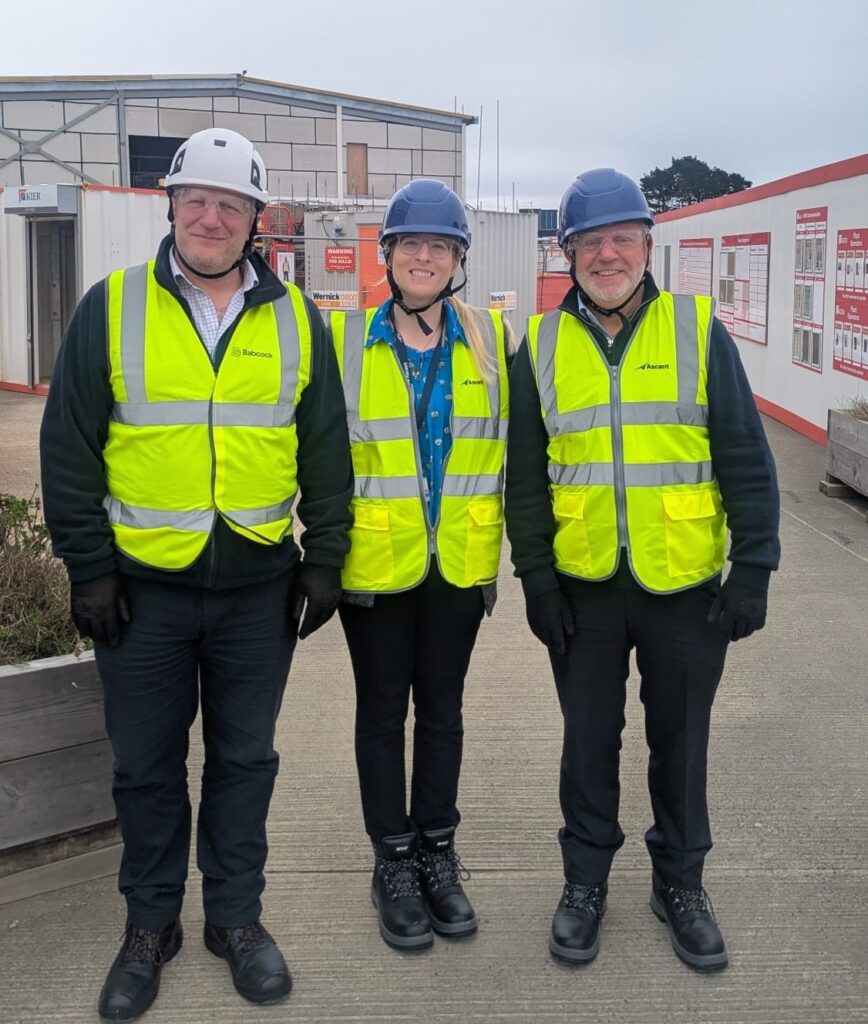
Whilst on site, members of the team also took the opportunity to visit the new facility, gaining a firsthand appreciation of the infrastructure that will support the future Mission Aircrew training pipeline. The visit highlighted the scale, capability and potential of the facility, which will become the permanent home of Mission Aircrew training under the FIRCTS programme.
As the programme moves into operational delivery, it marks the beginning of a new era in Mission Aircrew (ISR) training, ensuring future Weapon Systems Officers, Weapon Systems Operators, RN Aircrewmen and RN Observers are equipped with the skills, knowledge, and confidence required to support the UK’s airborne ISTAR capability.