
Reaching the significant milestone of a decade of training for the Fixed Wing programme is certainly a moment of pride. It is also an opportunity to reflect on how far we’ve come over the last 10 years, particularly from my perspective here at Cranwell, where our contribution has been central to the success of UKMFTS to date.
Our journey began in earnest back on 16 January 2018, when Air Marshal Reynolds unveiled the plaque to open the Sykes Operational Support Building here at RAF Cranwell. That moment marked far more than simply the opening of a new building; it signified the beginning of a new era for Ascent and military flying training in the UK. We mustn’t forget that operations at Barkston Heath and Cranwell had already been underway for many months, laying the foundation for a successful transition to UKMFTS.
Having spent many years immersed in flying training – initially with the RAF and now within industry – I’ve had a privileged vantage point from which to observe the transformation brought about by the introduction of MFTS. The differences I’ve seen and experienced between the legacy system and the modernised programme we deliver today through Ascent under UKMFTS are remarkable.
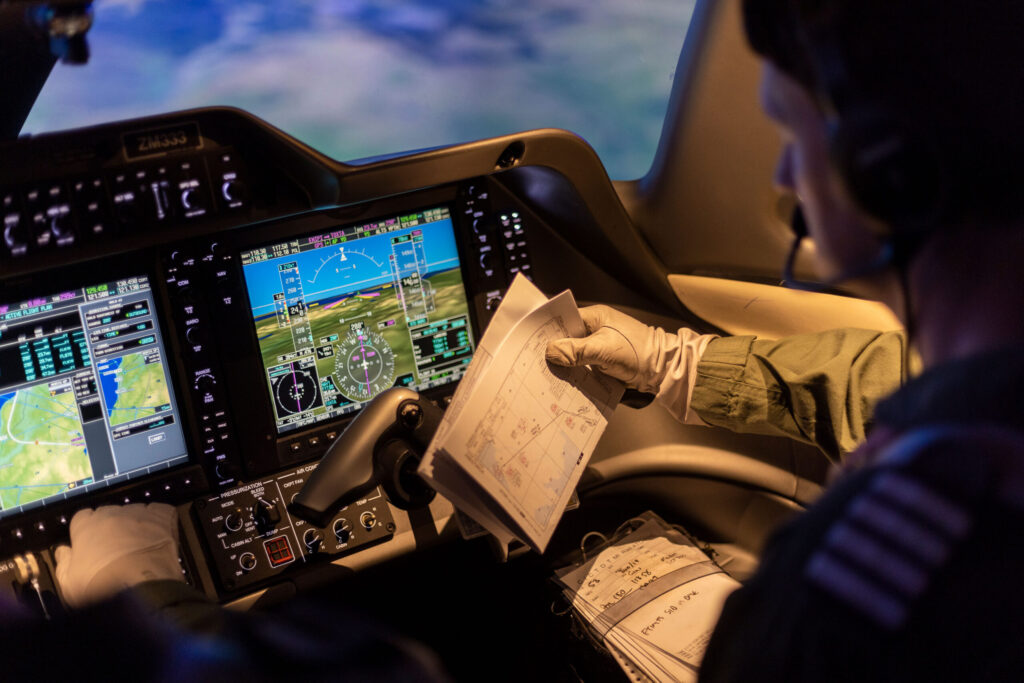
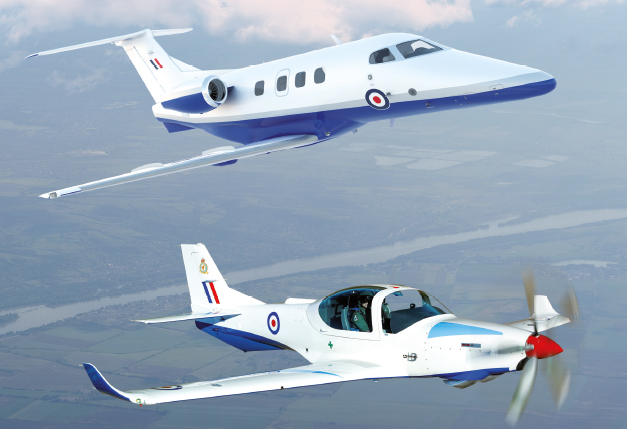
Over the last decade, anyone who has stepped foot in any UKMFTS training facility, experienced the synthetic training environment, or flown any of the training aircraft introduced through this programme, will recognise this progress. From day one, our trainees enter a world‑class training environment; modern classrooms, advanced synthetics that previous generations could only imagine, a fleet of aircraft that significantly reduce the training gap with the front line, and dedicated instructors, whose depth of knowledge expertise in flying training is unmatched.
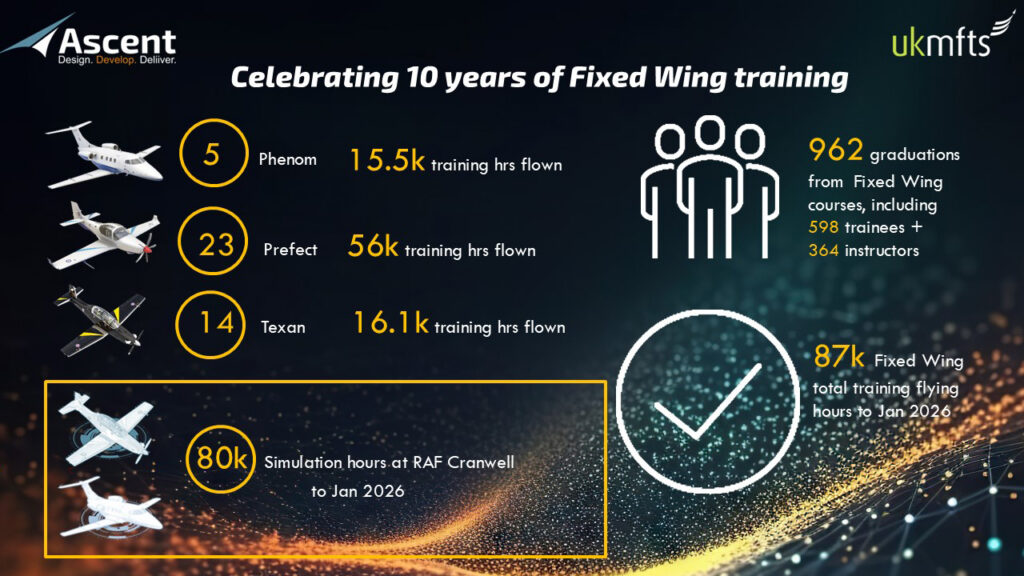
The numbers coming out of Cranwell speak for themselves, but there are several standout achievements worth highlighting:
- The introduction of bespoke Mission Aircrew training – showcased by the impressive fuselage trainer facility – has expanded what is possible
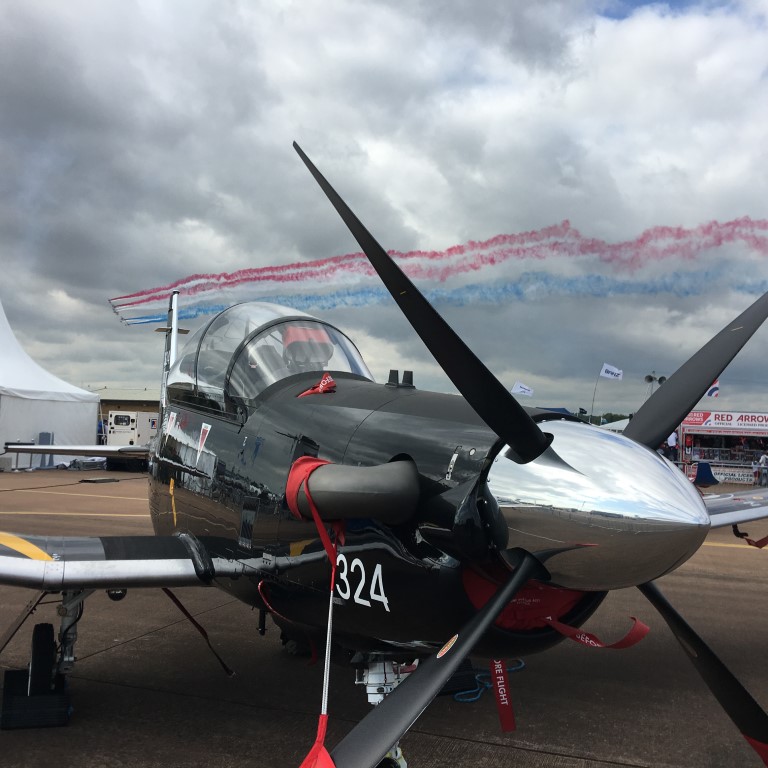
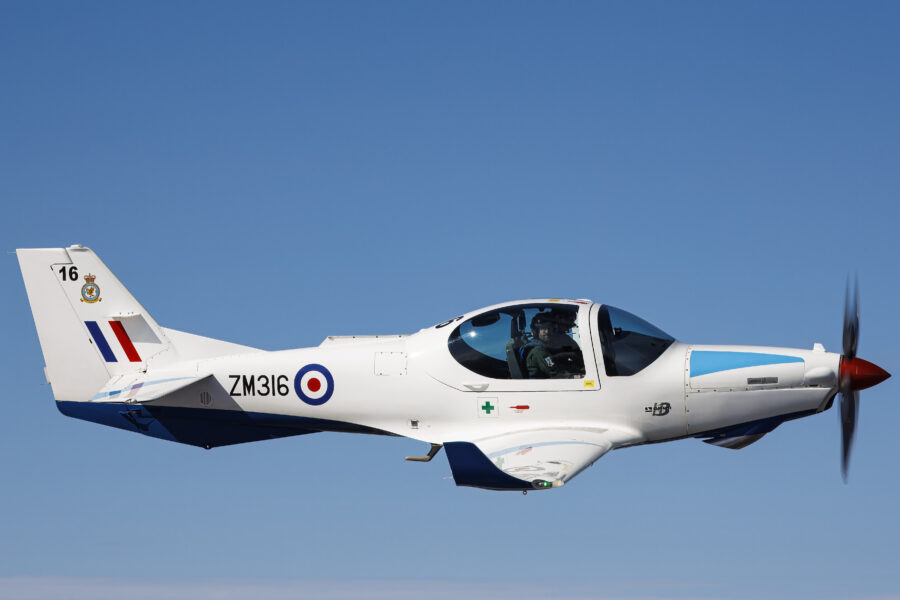
- Delivering the Prefect-to-Hawk course has pushed the Elementary Flying Training (EFT) envelope
- Capturing and managing the vast amount of data generated, to better deliver training and inform continuous improvement
- Supporting International Defence Training through the Qatari ab‑initio pilot programme and training instructors from multiple nations
- Integrating new mission planning tools and a learning management system has helped shape the future of training delivery
These initiatives and more, demonstrate the flexibility and capability of the Cranwell team and its contribution to UKMFTS and the Ascent brand.
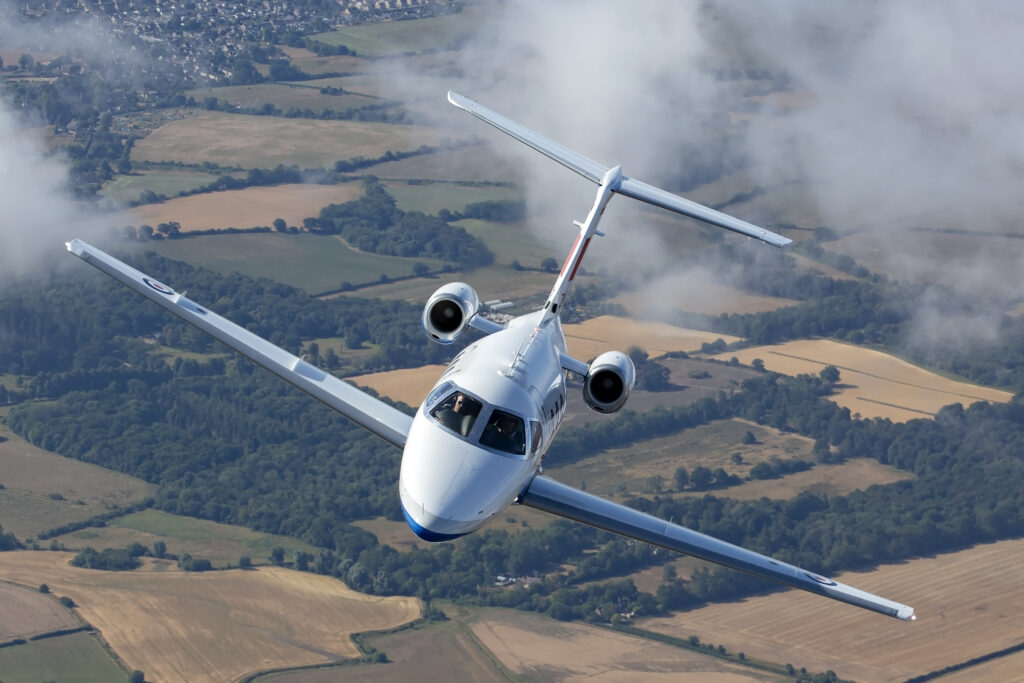
Equally impressive is the growing maturity of the system, both in people and structure. The EFT and Multi Engine Pilot Training (MEPT) programmes at Cranwell can now meet full-service delivery requirements, with MEPT currently operating successfully at full system design.
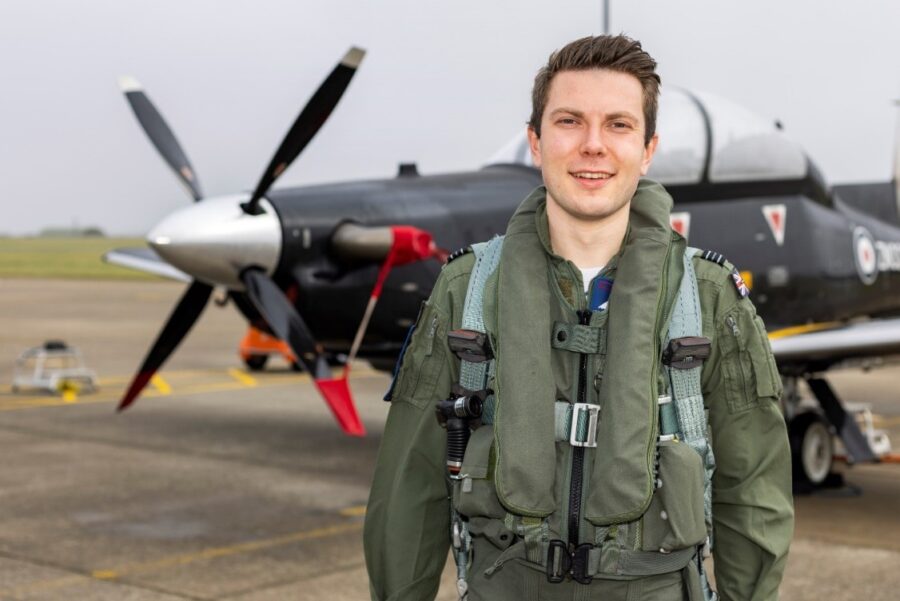
Perhaps most rewarding of all is seeing the first generation of UKMFTS-trained aircrew returning to 3 FTS as instructors, closing the loop and illustrating the full life cycle of this modernised, thriving flying training system.
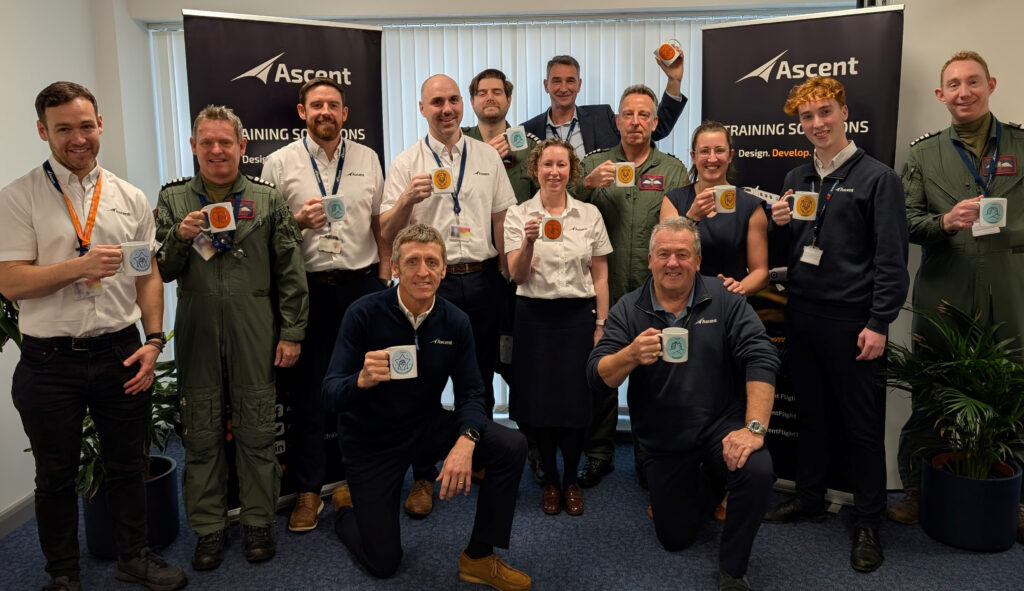
This anniversary is certainly a moment worth celebrating. It represents a decade of commitment, innovation and hard work by everyone involved. I’m immensely proud of what we’ve achieved since welcoming our first trainees through the doors here at Cranwell and Barkston Heath.
Of course, while it is right to reflect on the success of the last 10 years, it is important we continue to look forward. The next 10 years will be just as important – if not more so – as we continue to deliver, evolve and adapt to the changing needs of our defence partner. Our performance in the years ahead will define Ascent’s legacy as the MOD’s Training Service Partner and reinforce UKMFTS as the training system of choice for the UK.
A decade of progress, underpinning a future full of possibility.