
May 2026 marks a significant milestone for the UK Military Flying Training System (UKMFTS) – 10 years since Ascent began delivery of Rotary Wing Training at RAF Shawbury. Over the past decade, the programme has reshaped how helicopter aircrew are trained across the UK Armed Forces, delivering a modern, efficient and future-ready system that continues to evolve.
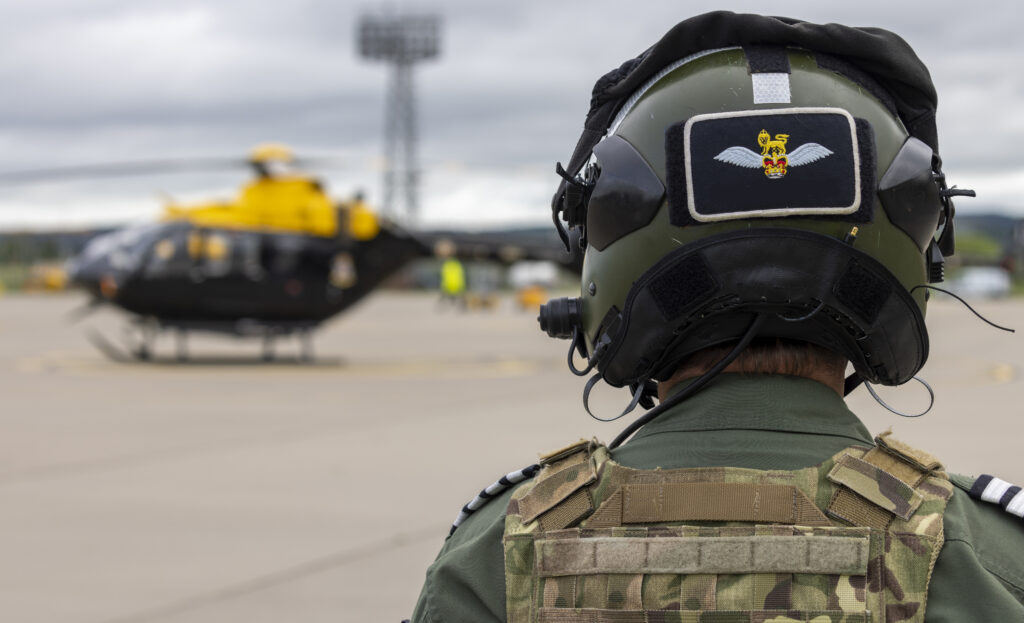
Since its introduction, the rotary wing element of UKMFTS has provided training for pilots and rear crew from the Royal Navy, British Army and Royal Air Force, under a single, harmonised system. The approach marked a decisive move away from legacy training models, replacing them with a service that blends live flying with advanced simulation, underpinned by industry expertise and military oversight.
At Shawbury, this transformation has been visible in both infrastructure and output. Modern facilities, enhanced course design and a focus on continuous improvement have enabled a steady throughput of highly capable graduates ready for frontline service.
Modern aircraft for modern operations
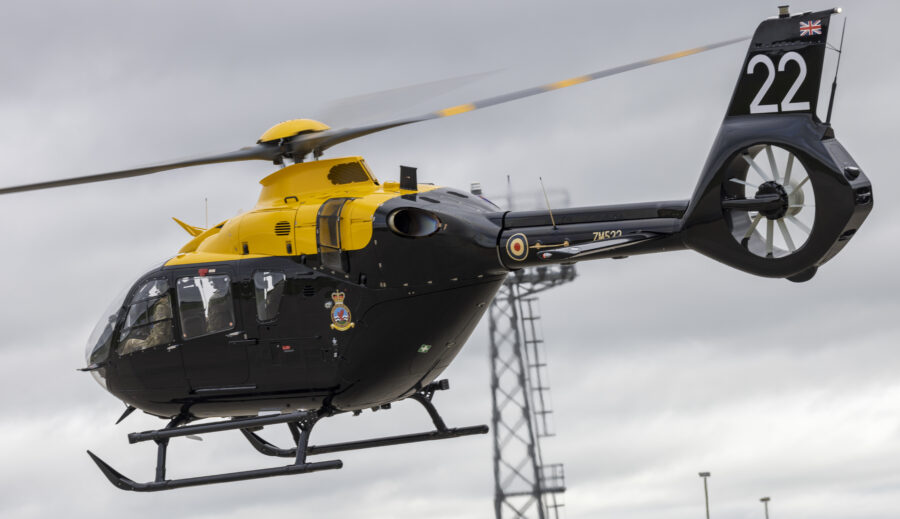
A key enabler of this success has been the introduction of the Airbus Juno HT1 and Jupiter HT1 fleets. These aircraft brought glass cockpits, twin-engine capability and advanced avionics into the training environment, aligning trainee experience more closely with operational platforms.
The result is a more seamless transition from training to frontline units – reducing the gap between qualification and operational effectiveness.
Today’s trainees benefit from a modern, blended training environment, shaped by a decade of learning and continuous improvement. Live flying is integrated with advanced synthetic training and digital systems, supported by modern infrastructure and highly experienced instructors. This approach has strengthened training resilience, improved trainee progression and better prepared aircrew for the demands of frontline operations.
Key developments over the last decade include:
- Sustained delivery of tri‑Service rotary wing training co-ordinated by a single hub
- The evolution and embedding of synthetic training as a core element of course delivery
- Operating a modern training helicopter fleet, aligned more closely with operational progression
- Ongoing support to international and defence engagement activity, reinforcing the UK’s global training reputation
Central to this success is the Shawbury workforce and the partnership between the MOD, Ascent, and key industry suppliers. Instructors, engineers and support teams – military and civilian, have worked together to deliver training at scale, often while integrating new aircraft, systems and training methodologies. The collective experience built over the last decade now underpins a stable and high‑performing UKMFTS rotary wing training system.
A particularly strong indicator of success is the growing number of former Shawbury students returning as instructors. This reinforces the sustainability of the training model and highlights the role Shawbury plays in developing successive generations of military helicopter aircrew. Each year, hundreds of rotary wing students pass through Shawbury, forming a vital pipeline of aircrew for UK defence. Graduates leave with not only flying skills, but also the decision-making, crew coordination and situational awareness required in complex operational environments.
Looking to the future
From the expansion of simulator capability, to the steady growth in flying hours, the programme has demonstrated its ability to meet changing defence requirements, while maintaining high standards of safety and performance.
As it enters its second decade, the focus remains on evolution. Advances in synthetic training, data-driven performance analysis and operational alignment will continue to shape the next phase of rotary wing training.
This anniversary is a moment to recognise the commitment, professionalism and adaptability of everyone who has contributed to rotary wing training at RAF Shawbury over the last 10 years. It has delivered on its promise to modernise training, improve efficiency and provide the UK Armed Forces with the skilled personnel they depend on, an achievement the entire team can be proud of.
RAF Shawbury’s role as the centre of helicopter training excellence is firmly established and its future will be defined by how it adapts to emerging technologies and changing operational demands. We move into our second decade in a strong position, building on partnership, innovation and a shared commitment to excellence.