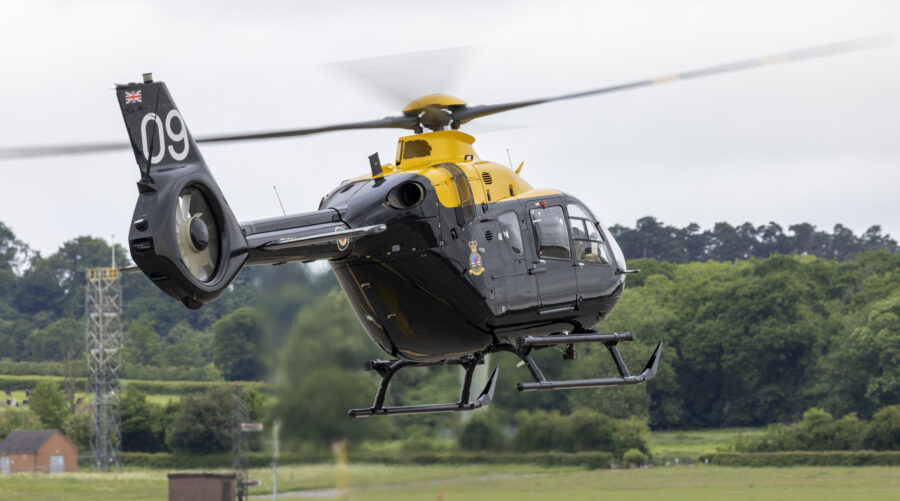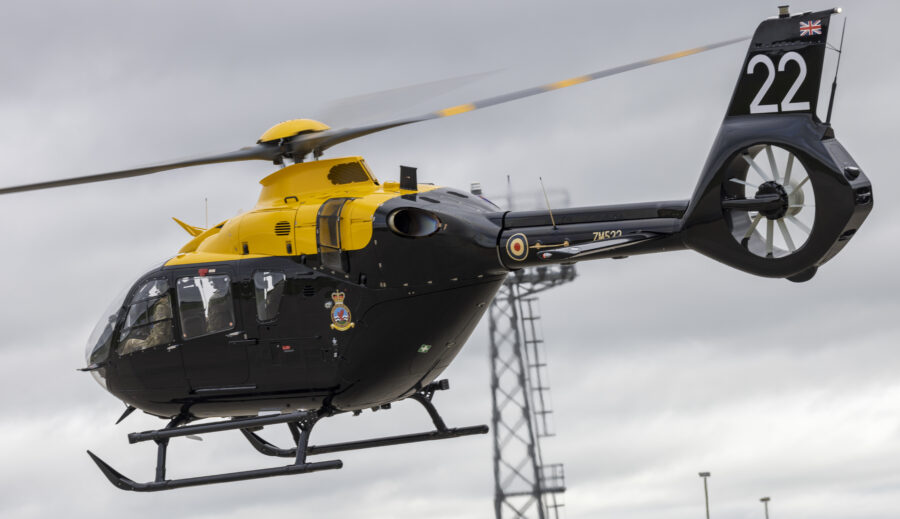
The International Military Helicopter conference in February was a great opportunity to look at the future of rotorcraft in the military environment.
Many leading military and industry speakers attended and discussed the changing world of helicopter operations, including procurement, lessons learned and where Europe in particular needs to be focussing over the coming years.
One of the main topics of interest was the growing potential of Uncrewed Air Systems to either support or degrade rotary operations, and whether crewed rotary aircraft still have a future in the modern war space.

The war in Ukraine has seen a wholesale change in the way that frontline operations are conducted, with much more reliance on drone technology by both sides but, for the near future at least, the technology does not and cannot negate the need for rotary logistical support for boots on the ground.
Until remote or autonomous technology has improved significantly, then the real-time, near instant decision making that crewed aircraft provide cannot yet be replaced, making training systems such as UKMFTS, essential for the foreseeable future.
To stay relevant, training must stay aligned to the developing technologies that support future operations, balancing readily available, high quality synthetic training against the real-life, ‘this might actually hurt’ jeopardy that can only be gained from live flying.